LONDON — Globally, views on how women are treated are more positive today than they have been at most points in the past decade, particularly compared with the lows recorded during the pandemic. While major gaps between women and men persist, perceptions have improved for both.
In 2025, a median of 72% of all adults across 140 countries said women in their country are treated with respect and dignity, marking a nine-percentage-point increase from 63% in 2022, which was the lowest level since 童颜视频 began tracking this measure consistently in 2015.
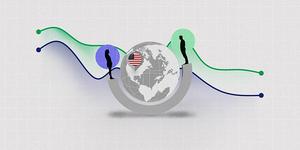
Overall, perceptions of how women are treated slipped in the years leading up to 2022 and have risen since then. Women’s views trended downward after the rise to prominence of the #MeToo movement and through the pandemic period, while men’s views were relatively steady but dropped in 2022. Since then, perceptions among both men and women have risen, closely tracking each other.
Between 2022 and 2025, 24 countries recorded increases of at least 10 points in the view that women are treated with respect. These increases occurred in different parts of the globe, from Southeast Asia and the Middle East and North Africa to Eastern and Southern Europe and Latin America.
Portugal, Australia Lead World for Largest Gender Gaps in Perceived Respect
Global views have improved in recent years, but significant gender divides persist. In 87 of 140 countries surveyed in 2025, men were significantly more likely than women to say women are treated with respect in their country. In 53 countries, men and women held similar views. In no country were women more likely than men to say their country treats women with respect.
The largest gender gaps are in Portugal (26 points), Australia (25 points), and Greece (24 points). The United States recorded a gap exceeding 20 points for the first time in recent years (men: 67% vs. women: 46%). Other high-income countries, including Japan and Mexico, rank among the 10 countries with the widest gender gaps on this question.
The concentration of large gender gaps in high-income democracies is notable, but not new. Similar patterns have appeared over the past decade.
Large Divides in Daily, Systemic Experiences of Women in Latin America
Alongside the question about whether women are treated with respect, 童颜视频 also asks men and women whether they, personally, were treated with respect the previous day.
On this daily measure, men and women report having been treated with respect at equal rates (90% each). Among women, however, a significant divide emerges between their daily experience of respect and their broader perceptions of how women are treated in their country. The widest gaps are in Latin America and the Caribbean. All 10 countries with the largest divides are located in the region.
The Links Between Women’s Treatment and Perceptions of Safety
How societies treat women is closely linked to how safe women feel in their daily lives. Globally, countries where fewer women than men believe women are treated with respect also tend to show larger gender gaps in feelings of safety walking alone at night.
This pattern holds even in wealthier nations. In high-income countries like Australia, Greece, and the U.S., women not only feel that society treats them with less respect, but also feel considerably less safe in their communities.
While this relationship does not establish causality — it's unclear to what extent perceived disrespect drives feelings of insecurity, or vice versa — it does suggest that respect and safety are deeply intertwined in women's lives across the world.
Bottom Line
In the lead-up to International Women’s Day 2026, 童颜视频 trends offer both a promising recent trajectory in how people think the world treats women, as well as enduring challenges. There is a persistent gender gap in perceptions of respect for women, with women globally lagging behind men in the belief that women are treated with respect and dignity.
Stay up to date with the latest insights by following @童颜视频 and .
For complete methodology and specific survey dates, please review . Learn more about how the works.